• Five Elements to Designing AI-Driven Marketing Campaigns for Arts Festival Performances with Very Little Budget

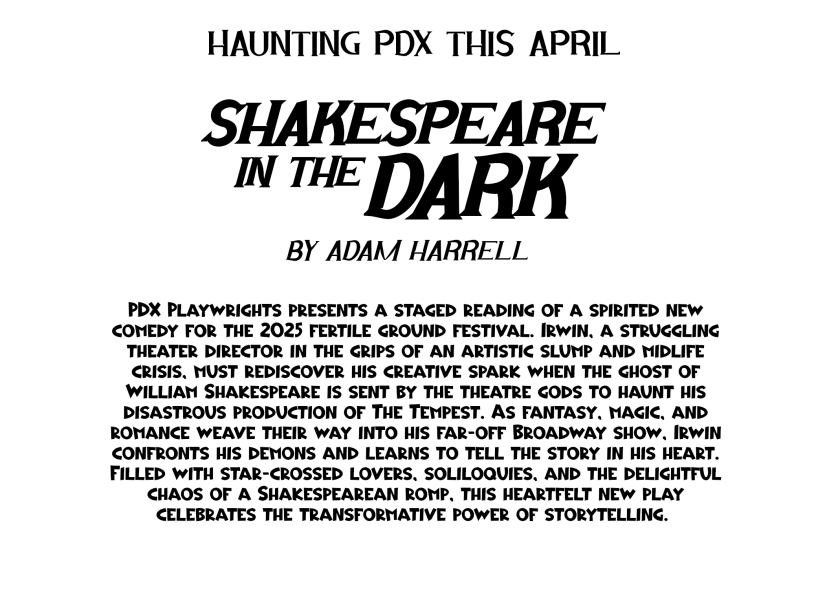
    I recently closed a modest small-house production of my new play Shakespeare in the Dark at the Fertile Ground Festival here in Portland, OR. But this blog is not about that play — you can visit my NPX Profile for more info. As the title implies, this blog will share five key elements I learned for mounting a dynamic, organic, and — most important — effective digital marketing campaign with arts festival-sized budgets (in other words, not a lot).

    1. Goal-Setting

    With a budget of only $800 with my payroll and co-producing fees occupying $700 of that sum, I had to get creative with how I approached this campaign. The first thing I did — which should be the first thing every marketer should do — is set some ambitious yet realistic goals to strive for. We had two performances in a space with ~80 seats, giving us 160-ish tickets to sell. These were my initial goals:

    • Stick to focusing in and strengthening one digital channel (Instagram) over time rather than spreading the message thin.
    • Supplement digital marketing channel with physical collateral, like posters and leave-behind postcards, an official press release, and in-person networking.
    • Gain at least 150 organic followers on Instagram before opening night.
    • Reach theatregoers and arts lovers in Portland and each of its surrounding suburbs.
    • Improve ticket sales over my previous year’s festival production, which sold a total of 37 tickets over two performances in the same space.
    • Do not spend much more than $100 on all of this.

    2. Key Art

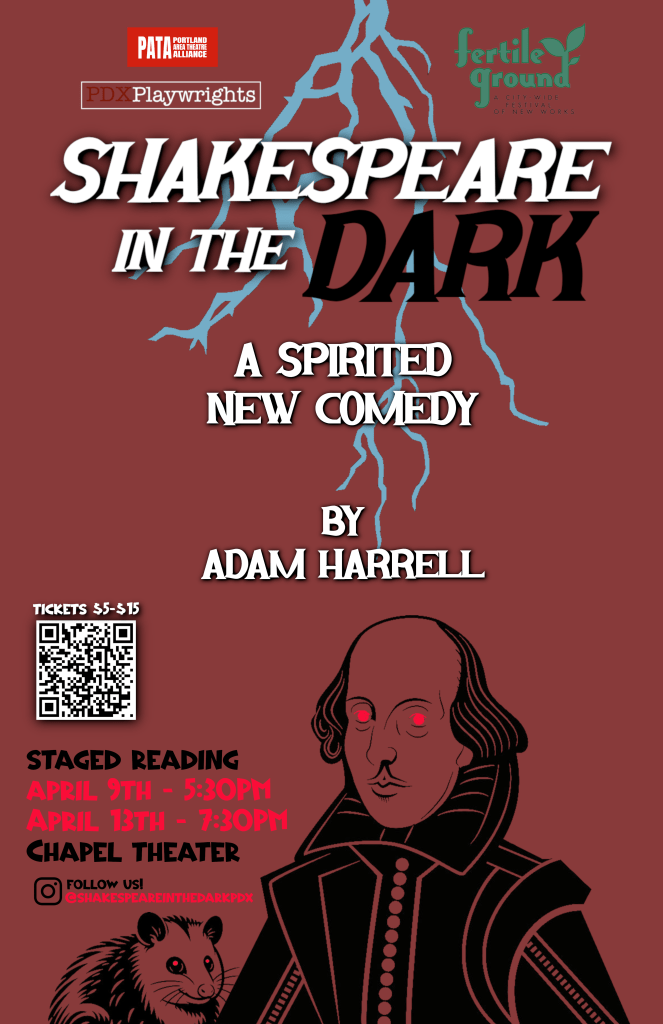
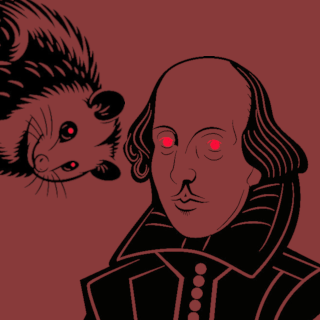
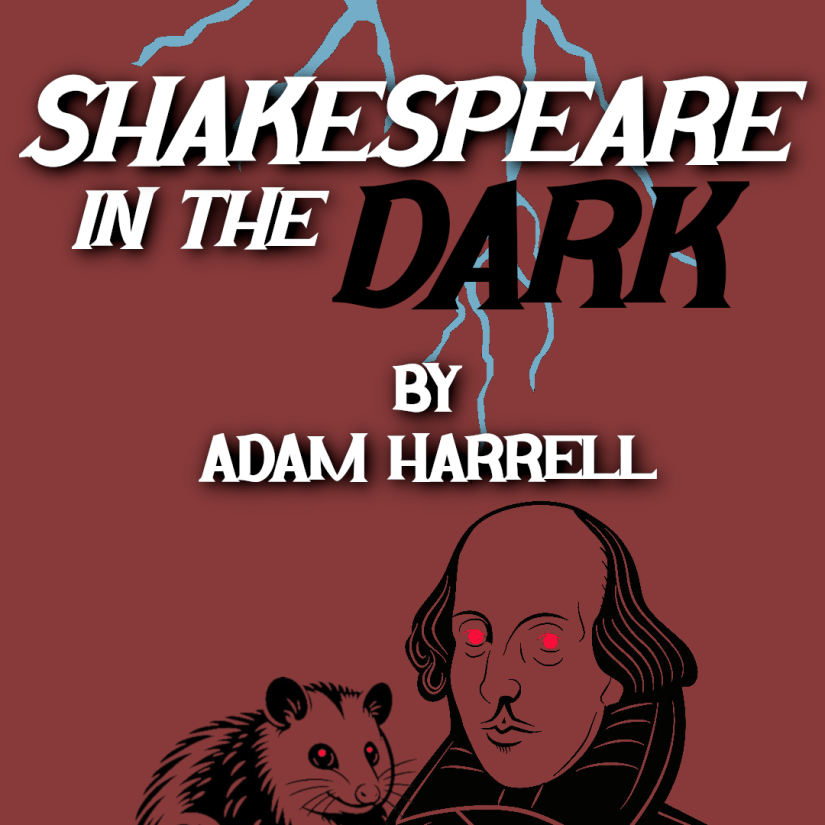
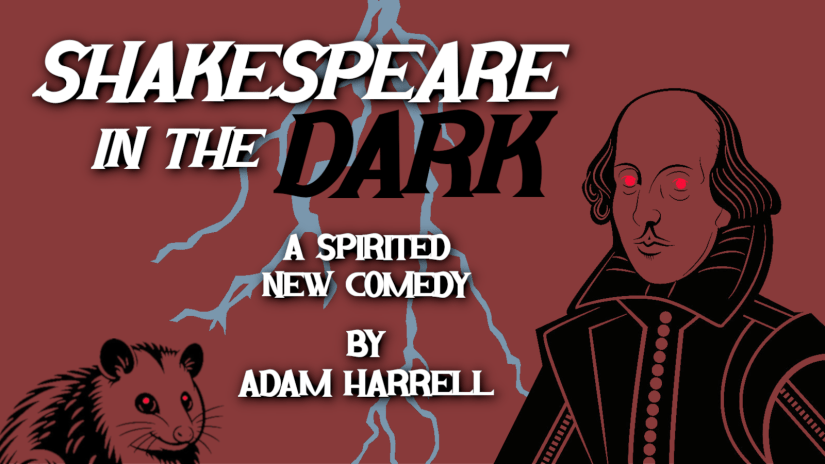
    Once goals were in place, the first order of business was designing and establishing key art, colors, and branding that would be eye-catching and guide the design philosophy through the rest of the process. I used the wonderful GNU Image Manipulation Program (GIMP) (which in case you didn’t know is an absolutely FREE, OPEN-SOURCE graphic design app that gives you all the features of Photoshop without the annoying subscription fees) along with FREE Creative Commons clipart to create it. The gallery below showcases the short and wide web versions, postcard (front+back) and poster art variants, as well as the custom IG profile image, respectively:
    3. Building a Content Calendar — and Content!

    Full disclosure — I chose Instagram because the free Meta Business Suite analytics and scheduling tools, while not perfect, are among the most robust you can get for a free platform. The Planner is especially handy.
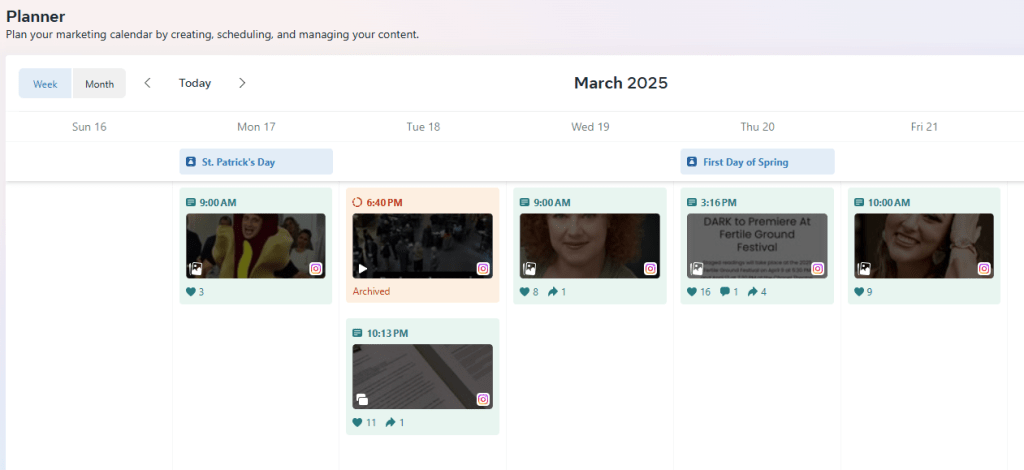
    Screenshot of the Meta Business platform Planner.

    @shakespeareinthedarkpdx launched mid-February. With a cast of nine, the lynch pin of the content centered around a series of “Meet the Cast” posts over the month of March, which was supplemented by a selection of curated Shakespeare memes, occasional story updates, video clips, and audience reactions. ChatGPT along with DALL-E assisted in generating some nice teaser images to kick it off.
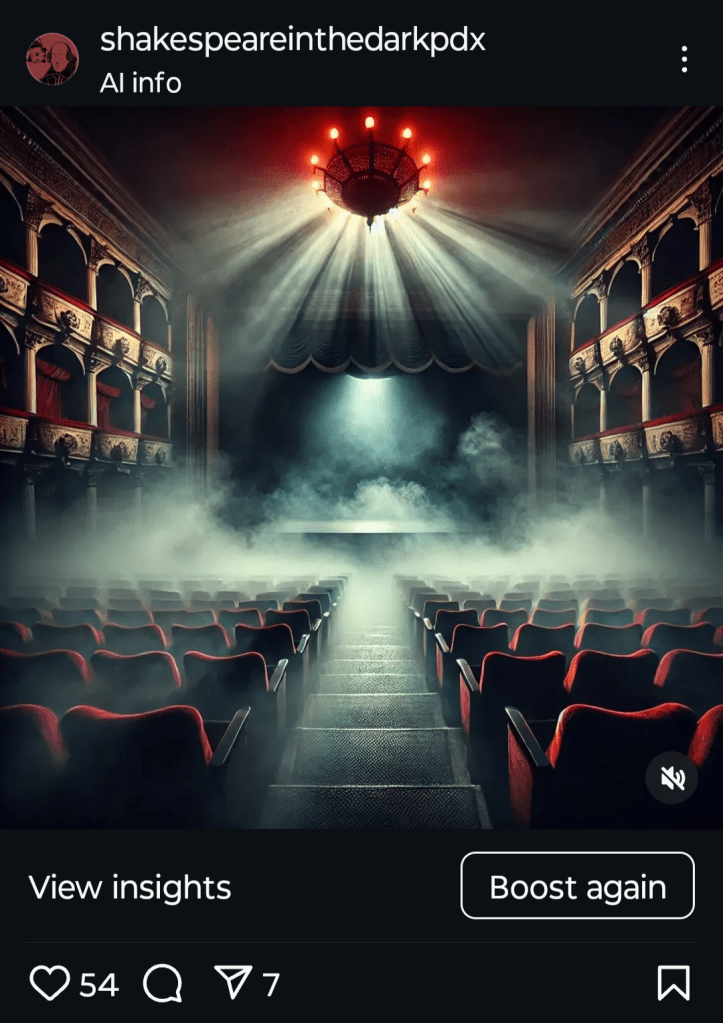
    Note that these weren’t generated with a cold prompt, i.e. I did not explicitly tell it to create an image like this. Rather than brute-force the prompt, I prefer to train the GPT memory on aspects of the tone and audience, and keep nurturing its curiosity until it offers to generate images organically. These typically yield much more useable, on-theme results. GPT also helped craft the Meet the Cast post series, and was instrumental in curating the appropriate hashtags.

    4. Targeted Paid Ad Placement

    Meta ad boosts do wonders! And they are scalable to your budget. The three strategic boosts I made over the course of the month alternated from $5/day for 3 days to $7/day for 5 days, a decent medium for a campaign of this scope. Of our 14,000+ profile visits in the month of March, a good 84% of those visits and 53% of interactions were thanks to ads. So if you’re running a show account and not running some form of digital ads; you definitely should. Reach was customized to Portland and its surrounding metro areas.

    Ads were supplemented by key press release placement in Broadway World PDX!

    4. Measurement

    With most of the campaign automated, I focused on producing, directing, and acting in my show and let it do its thing. Here’s how it performed against my initial metrics goals. For simplicity’s sake, some results are measured from the month of March, which was the bulk of the campaign, so they are cumulative from the previous two weeks of February:

    GOAL: Gain at least 150 followers before opening | RESULT: 159 followers gave us 77 external link taps to the ticketing site.

    GOAL: Improve ticket sales over last year’s festival | RESULT: Over 40% increase in ticket sales (37 to 82).

    GOAL: Do not exceed much more than $100 | RESULT: $130 spent.

    5. Demographics

    Our audience showed up from all over, and the content’s tone and charm gave us a very even distribution and wide appeal:
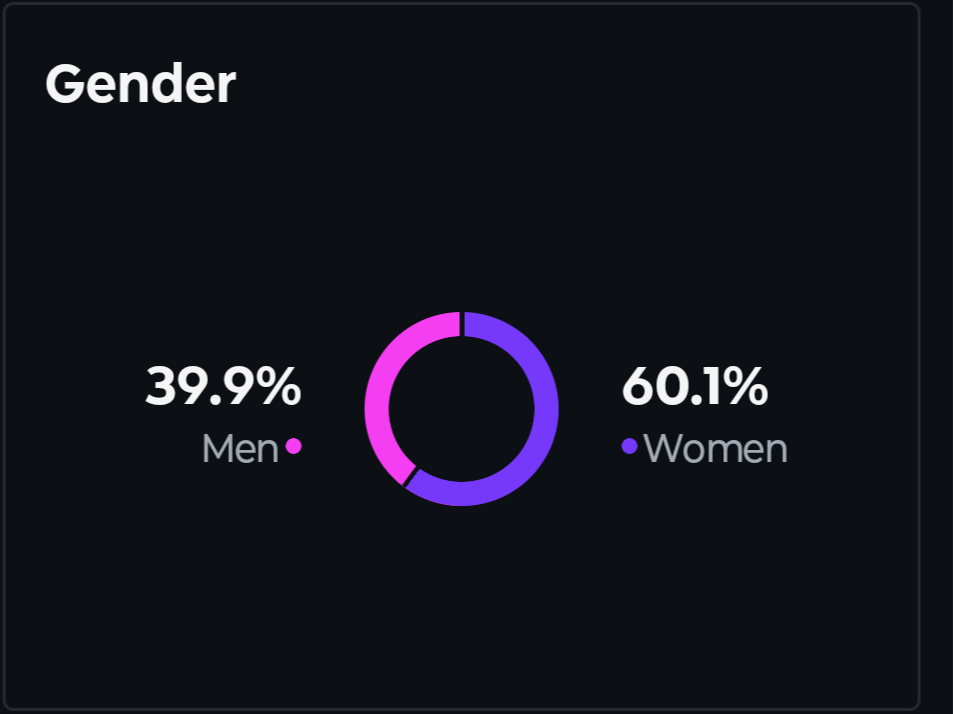
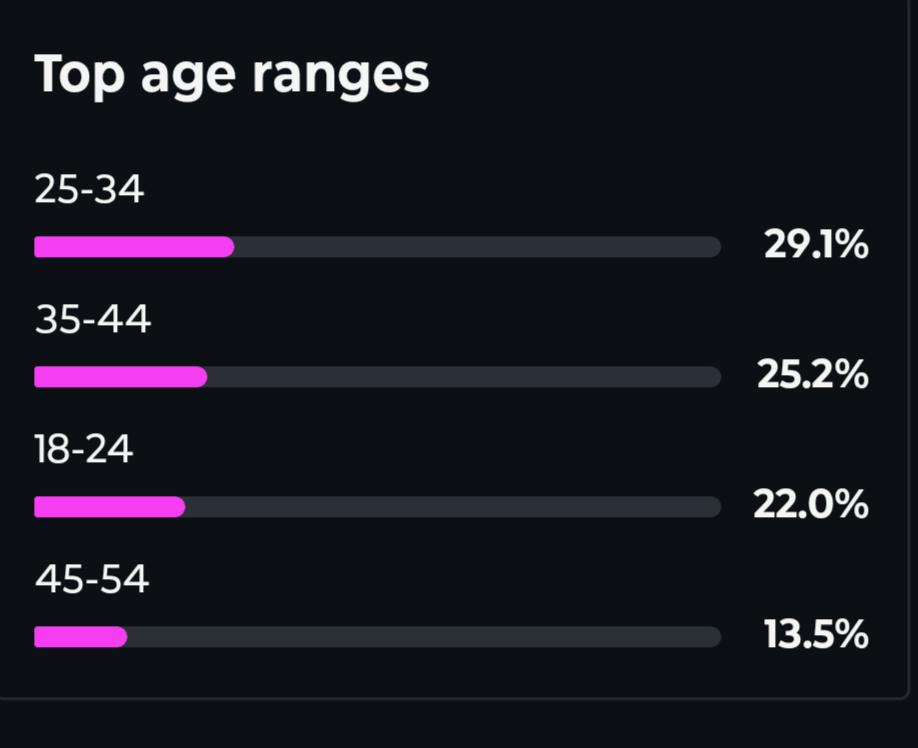
    I hope this helps inform your next small-scale production. With a bit of design know-how, you can leverage these tools to punch above your weight, and put more butts in the seats! Til next time.

    Free Tools Used

    GIMP – Image Editing

    Apache OpenOffice – Document editing/program design

    ChatGPT (free version) – IG post copy and refinement; image generation

    Meta Business Suite – Automation, scheduling, and metrics tracking
  • 5 Outrageous Stories About Famous Playwrights

    Playwrights typically have more drama than the average person both on and off stage, according to people in the know (i.e. me), and they’ve had titanic role models for it throughout the history of their craft. From Shakespeare to Tennessee Williams, the most famous playwrights elevate the drama to an infamous and memorable degree. Here are five outrageous true stories about some of the most celebrated playwrights throughout history:


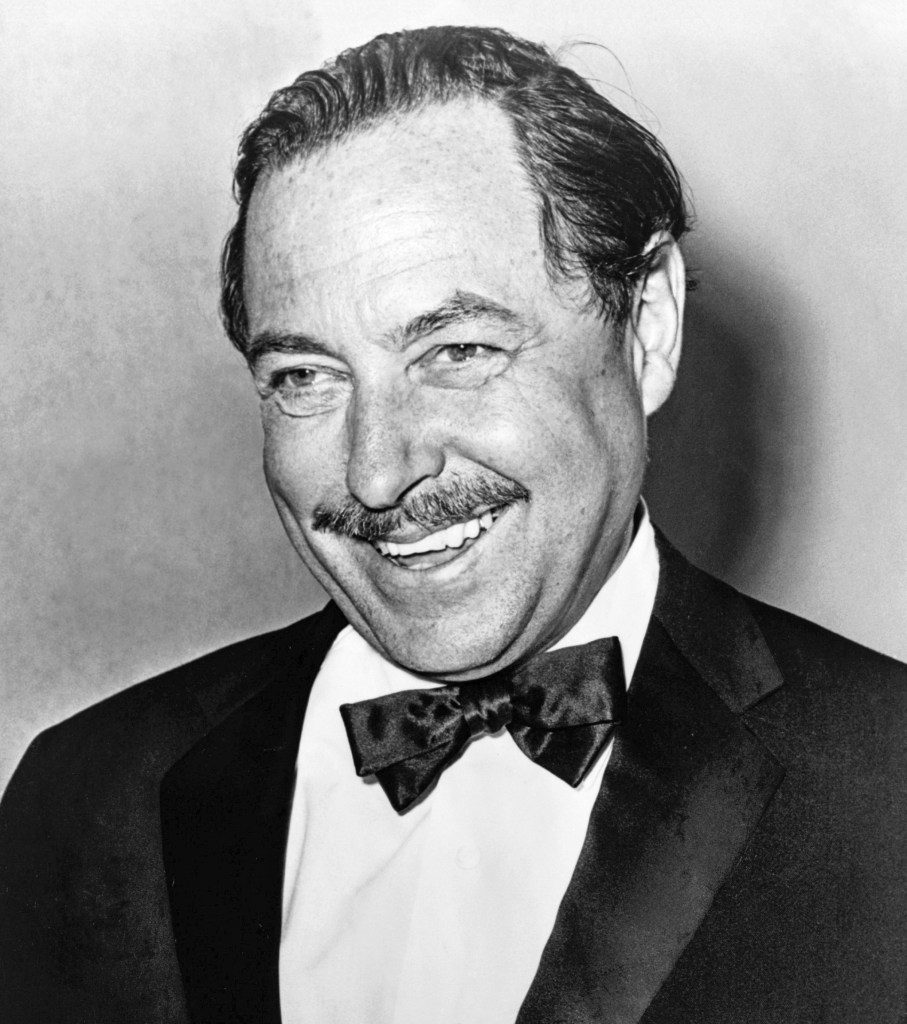
    Tennessee Williams: Catwalk of Shame

    Tennessee Williams was a big fan of the sauce, and I’m not referring to wasabi. He proved that beyond a doubt at a New York City bar in 1965. John Lahr’s biography recounts a night of hard drinking that left Williams locked in the bar’s bathroom. Luckily he remembered the show must go on, muttered “Daddy’s gettin’ hisself some more of that sweet tea,” and managed to climb out the window, only to find himself stuck on the fire escape for several hours until some good Samaritans were able to rescue him. After the incident, I assume he bothered his friends for weeks after about his “guy stuck on fire escape” play idea.


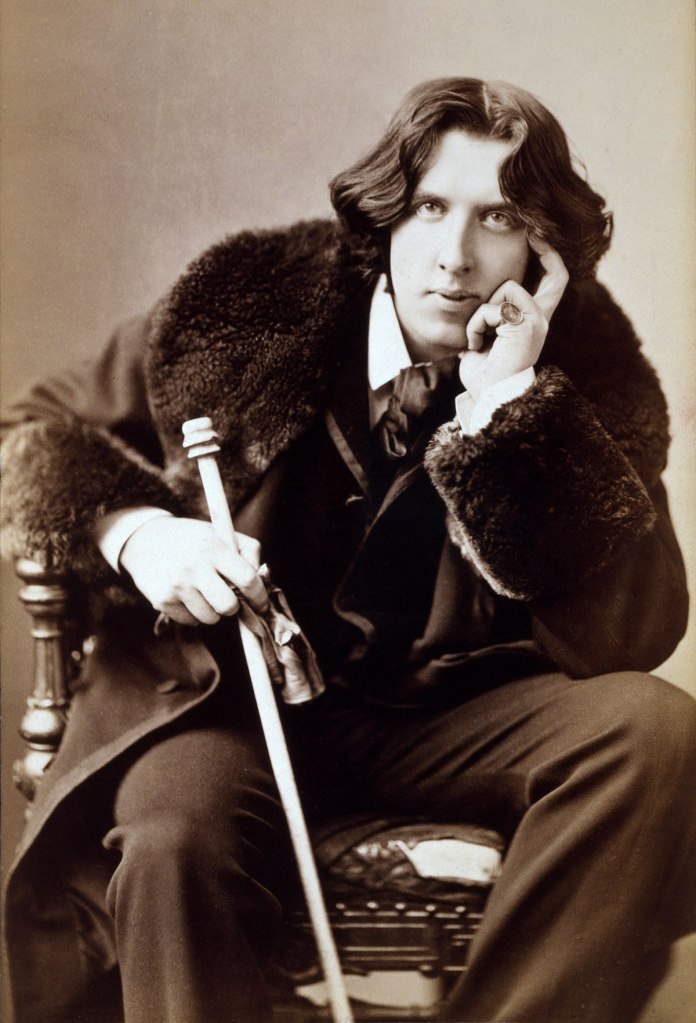
    Oscar Wilde: Too Hot for the 1890s

    Oscar Wilde’s infamous play Salome, about the titular biblical figure demanding the head of John the Baptist as a reward for dancing for King Herod, caused quite a stir when it premiered in 1891 France. The play was quickly banned in England, being seen as an affront to all morals and decency. Their plan worked like gangbusters, causing the play to be produced all over Europe, and cementing Wilde’s reputation as a daring, exciting young playwright whom we still study today. A longstanding rumor has it that during a production in Paris, Wilde himself stepped in when the lead actress became ill and performed the part in drag. No way to prove it, but if any playwright were to do something like that, it would be that caped son of a biscuit.


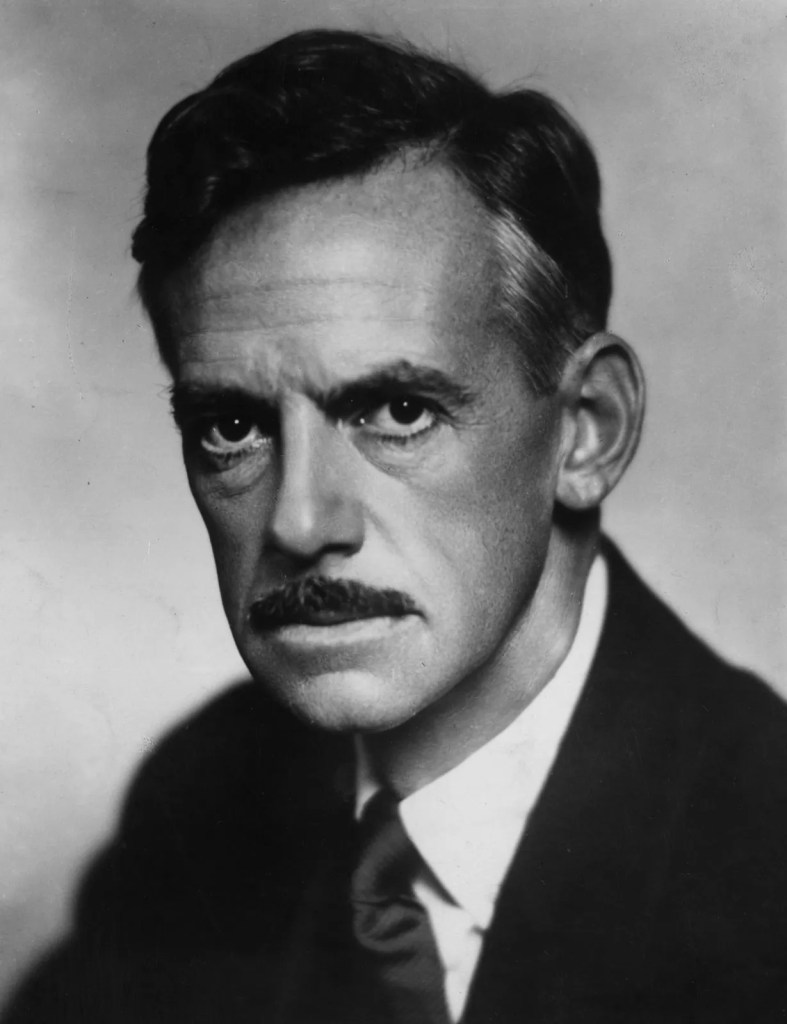
    Eugene O’Neill: The Process

    Any contemporary playwright with an unhealthy writing process owes a little bit to Eugene O’Neill, the author of wonderfully batshit plays such as The Hairy Ape. Several biographies have reported on his preference for a nonstop supply of coffee, bananas, and cigarettes while writing, but in 1920 he went for the gold medal in grind. According to legend, the man wrote his play The Emperor Jones in one continuous 18-hour session while locked in a hotel room. Presumably there were banana peels everywhere by the end. Aaron Sorkin was so inspired by this, he wrote the entire first season of The West Wing in a two-week cocaine-and-chocolate binge.


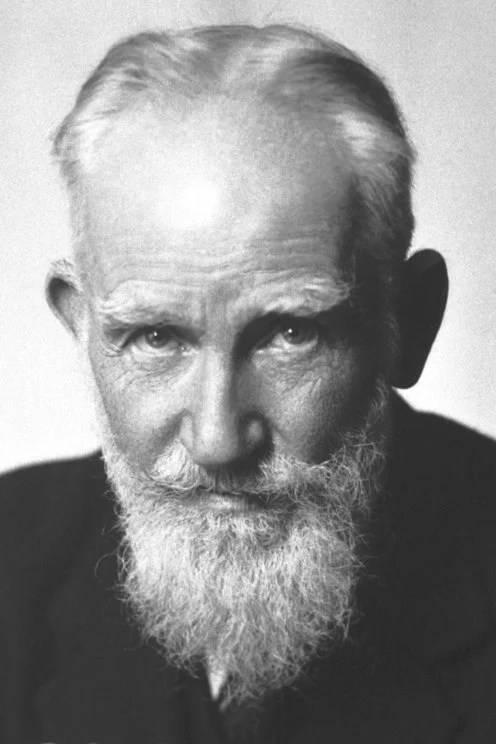
    George Bernard Shaw: Player Hater

    George Bernard Shaw is known for his wit and charm, but less so for his staunch belief in the roundly rejected junk science of eugenics. Many suspect that is what drove him to make such a bizarre marriage proposal to actress Charlotte Payne-Townshend in 1897. In the book The Letters of Bernard Shaw to Ms. Patrick Campbell, Shaw describes how he asked Payne-Townshend to get married and live together for the rest of their lives, but without the “distractions” or “complications” of physical intimacy. Shaw’s exact motive behind this may never be known, but what is known is that she agreed, and they enjoyed a happy, platonic marriage, so maybe he knew something we don’t. Except for eugenics of course, we know that’s bullshit.


    William Shakespeare: Mind Your Head

    Shakespeare may have left behind some of the most enduring works of literature, but his braincase is MIA, and probably lost to time. Scholars are certain the Immortal Bard lies dead neath the Church of Holy Trinity in Stratford-upon-Avon, according to the accounts of 18th century vicar John Ward, but his skull cannot be accounted for. There is a sketchy 1794 account about a unidentified group (read: Victorian teens) exhuming the deceased playwright’s skull and “passing it around.” I like to think they were taking turns acting out the gravedigger scene from Hamlet, but we all know they were probably whacking it around with a cricket bat. The skull has never been found, and its whereabouts remain a mystery. Sorry, relatives of Shakespeare!


    This is only the tip of the iceberg when it comes to the audacity of these playwrights. Drama, scandal, unexpected twists just go with the territory. From benders to bizarre writing rituals to problematic views on genetics to good old grave robbing, their pain has been our gain over the years. So the next time you see one, give ’em a hug (they probably need one)!

  • “No Right or Wrong Answers!” — The Most Bizarre Interview Game I’ve Ever Played

    The Perils of Interviewing

    I must speak of a mind-melting experience I just had with a completely software-driven job interview. I was asked four questions to which I had to record a video response to, and that was straightforward enough. After that, however, I took part in a very bizarre online “game.” I keep putting “game” in quotations because it was less of a game and more of a straight up quiz. I soon realized that the “game” part was them messing with my head.

    Strange Games

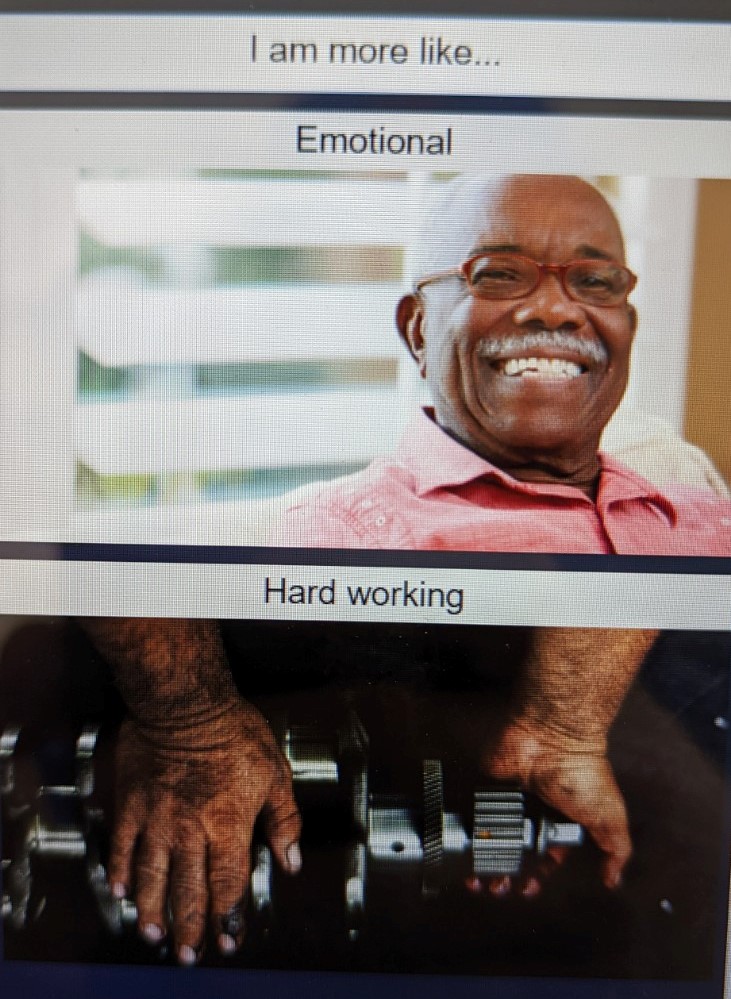
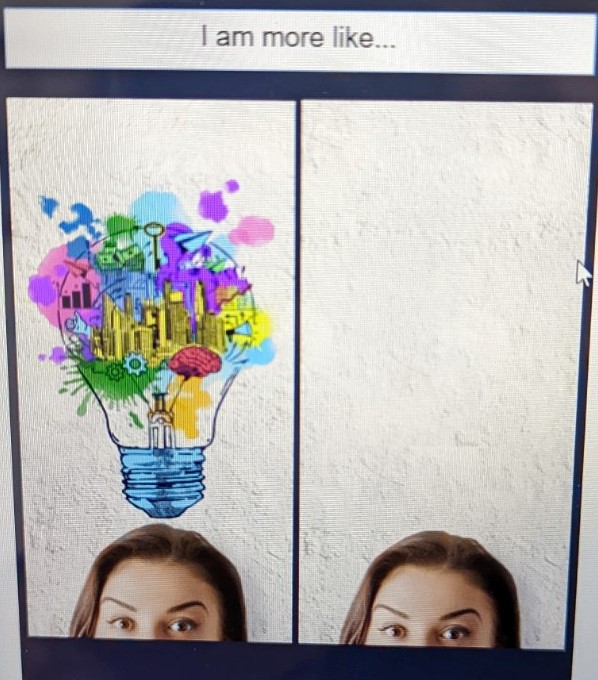
    “No right or wrong answers!” the app proclaimed–a bizarre thing to say at the start of a purported game–then proceeded to present screens with two images. My task was to choose the image that is “most like me.” Soon I was off on the enviable journey of reducing my personality to a series of 56 binary choices. That’s when things got weird… and hilarious. See what I mean:

    Do you have emotions like this soft old man, or are you hardworking enough to get in there and fix a camshaft with your BARE HANDS? We DARE YOU to answer!

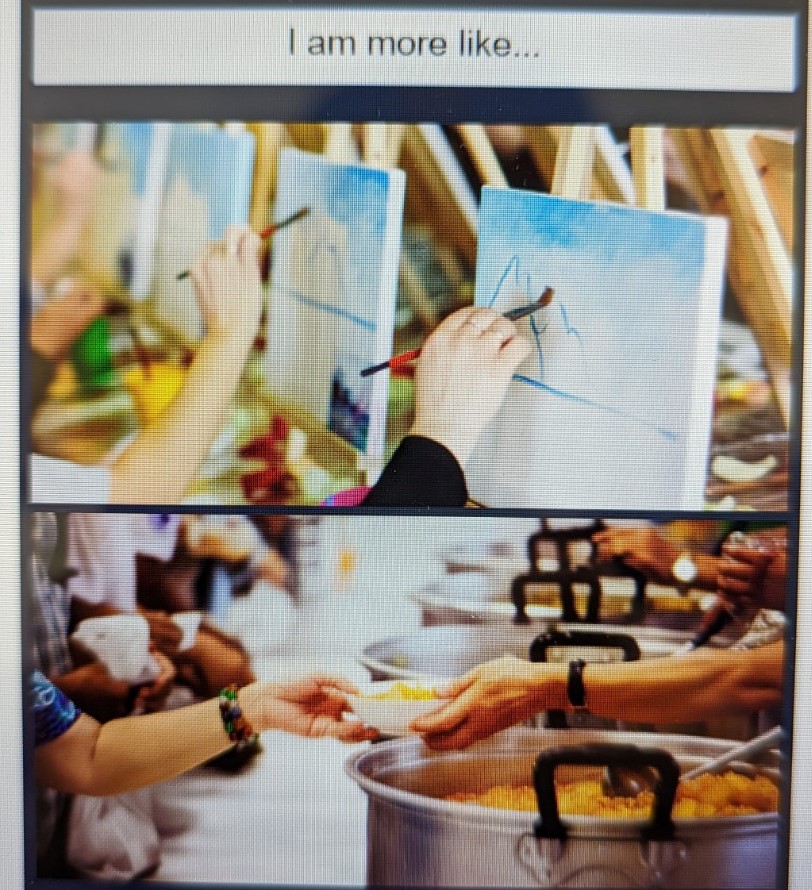
    Are you helpful and generous or are you an ARTIST? Ouch!  

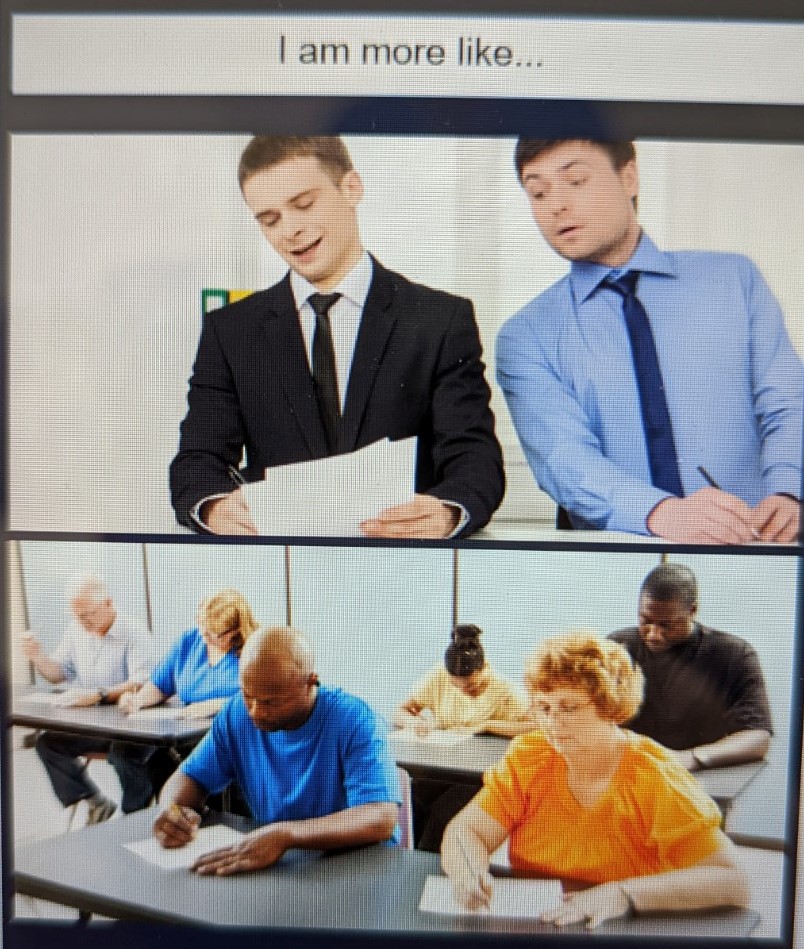
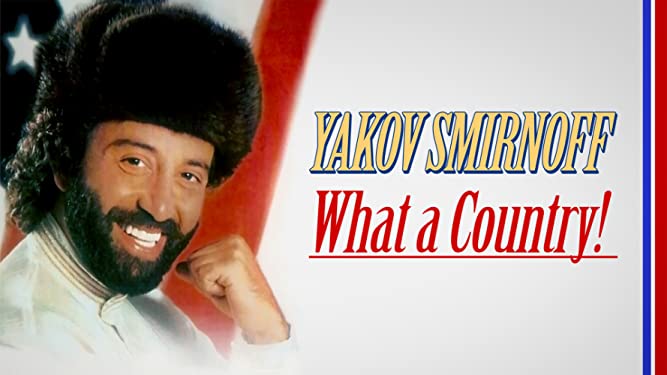
    No wrong answers, but would you say you are a career cheater, or do you typically do your own work? Your answer will definitely not impact our hiring decision. 

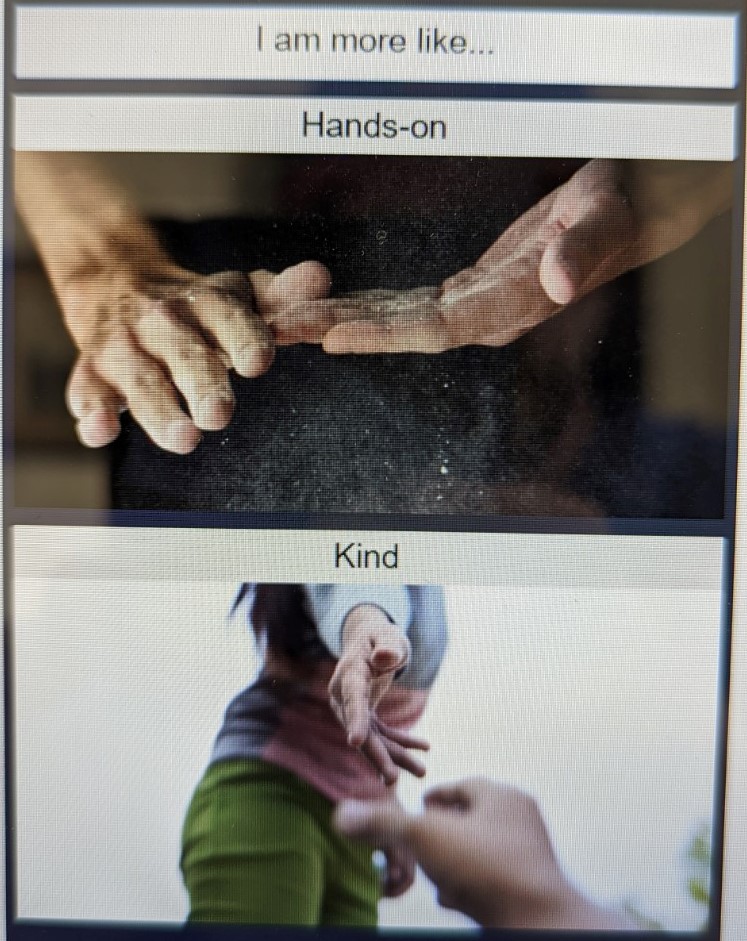
    Are you hands-on, but not SO hands-on that you'd use your actual hands to help someone up? You would think a person going around town helping folks off the ground would be the textbook definition of a hands-on person. But no.

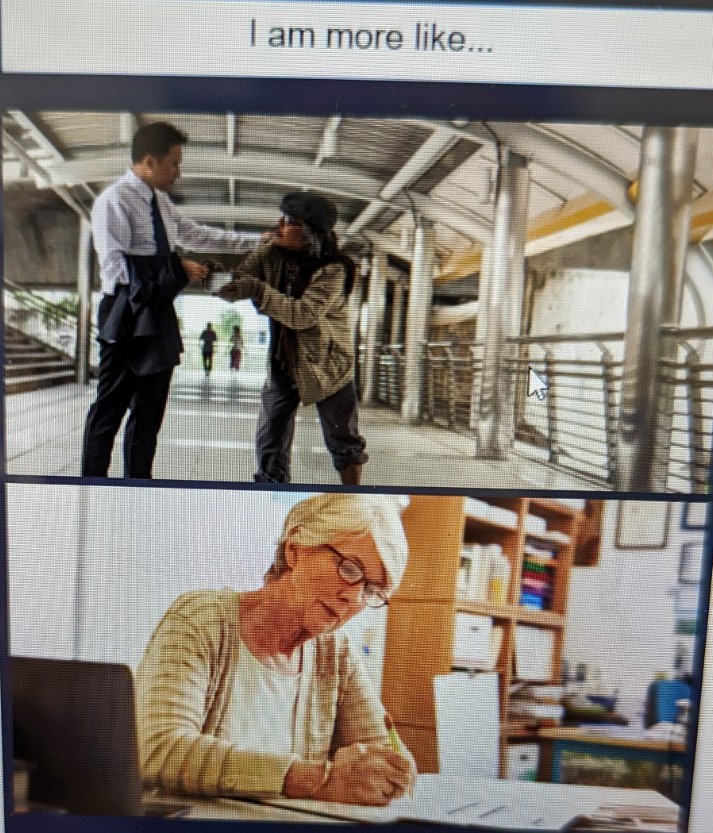
    Are you more like a businessperson helping a beggar or are you more like grandma paying the electric bill? THE ANSWER SHOULD BE OBVIOUS. 

    Weird question, but are you a successful Vishnu-like deity, destroyer of worlds, or are you some kind of moral nerd with two stupid arms doing the Pledge of Allegiance? Ditch those gross morals for phones, tablets, laptops, a day planner, and one GIANT CALCULATOR.

    Again, no wrong answers, but would you say you are a person who has thoughts and ideas or are you just an empty human void? Are you more like, thinking about exploding lightbulbs or are you just a blank meat sack? Your answer will definitely NOT impact our hiring decision.

    Harrowing Entertainment

    Full disclaimer, I am no psychology major. I don’t know what this test–sorry, “game” was supposed to reveal about my intentions as a job-seeker, but I sure am glad I had the opportunity to take it. It ended up being a harrowing, entertaining, and ultimately satisfying Lynchian descent into HR automation, and definitely triggered deep introspection. For a game with “no right or wrong answers,” I still feel like I won.

  • 21 Excellent Proverbs on Reaching Your Goals

    The roads leading to our personal goals are beset with potholes, unexpected closures, incorrect estimates, and speed traps. Then of course we also have to contend with the unskilled drivers, traffic jams, and people who can’t choose a lane. Simply put, it is never a direct path and things will get in the way.

    When I’m feeling overwhelmed or discouraged by life’s setbacks, these are some proverbs that always remind me to slow down, breathe, think, and gain perspective:

    Change, like sunshine, can be a friend or foe, a blessing or a curse, a dawn or a dusk.

    If the counsel is good, it does not matter who gave it.

    Do not let what you cannot do interfere with what you can do.

    Experience without learning is better than learning without experience.

    Not everything that is faced can be changed. But nothing can be changed until it is faced.

    Whenever you fall, pick something up.

    A genius is one who shoots at something no one else can see and hits it.

    One has no need of a guide to a village one can see.

    The difficult is done at once, the impossible takes a little longer.

    Many irons in the fire, some must cool.

    Knowledge is a wild thing and must be hunted before it can be tamed.

    Learn weeping, and you shall gain laughing.

    Only some of us can learn by other people’s mistakes. The rest of us have to be the other people.

    Exasperation is the mind’s way of spinning its wheels until patience restores traction.

    Reality is nothing but a collective hunch.

    If you risk nothing, then you risk everything.

    A ship in harbor is safe–but that is not what ships are for.

    “I must do something” will always solve more problems than “Something must be done.”

    A tale never loses in the telling.

    Nothing dries sooner than tears.

    One who rides a tiger is afraid to dismount.

    The work will teach you how to do it.

    Goals are different than plans. Plans must go off without a hitch and be completed by a specific date. Goals are just end results that would be nice to have, and the deadlines are flexible. Plans fall apart and must be rewritten from scratch; goals are everlasting and adaptive to change. So make goals, not plans, and please do be kind to yourself when the progress wears thin. You got this.

  • 10 of the Worst Jokes I Know

    Every good joke stands on the shoulders of dozens of terrible ones, or some other such noble sentiment. Suffice to say, I happen to love terrible jokes and have a lot of them. Some of them were passed down to me, others I have read in old vaudeville and dime-store humor books, and still others I came up with entirely on my own, when nobody was even asking.

    For your entertainment, delight, and perhaps deep-rooted scorn, here are ten of the most groan-inducing jokes I know. Be advised, if your reputation as a professional and functional human being is something you value, I would not repeat them in any context, and highly recommend burning your device after reading:

    1. A duck walks into a drug store and asks the pharmacist, “Excuse me sir, do you have anything for chapped bills?” The pharmacists says, “We don’t serve ducks here.”
    2. What time does Sean Connery arrive at Wimbeldon? Tennish.
    3. Question for the people who breadcrumb romantic suitors — what are you trying to do, date a goose?
    4. A grasshopper hops into a bar. The bartender says, “Hey, we got a drink named after you!” The grasshopper says, “You have a drink named Steven?”
    5. How many narcissists does it take to screw in a light bulb? Who f*cking cares about your lightbulb situation.
    6. A lion and a cheetah had a race to see who was faster. The cheetah ended up winning. Afterward, the lion said, “You a cheetah.” The cheetah replied, “You a lion.”
    7. What do you call a turd and a penis at a 90-degree angle? Poop-and-dickular.
    8. I submitted ten puns to a pun contest once. I thought one would win, but no pun in ten did.
    9. A man with a wooden eye was having trouble finding a date. One night at the club he saw a woman with a tin nose. He felt encouraged and asked if she’d like to dance. She responded, “Wouldn’t I!” He said, “Tin nose!” and stormed off.
    10. “Knock knock.” Who’s there? “Your husband.” Your husband who? “Goddammit Gloria, it’s me, Roger.”

    If you laughed at any of these, you can be sure that there is something deeply wrong with you. Or deeply right. Who can even tell anymore. I yearn for the days when irony was still a thing. At any rate, thanks for reading.

    Til next time

  • 3 Ways A.I. Will Transform Content Writing

    Get Ready for the A.I.-driven Content Writing Revolution

    Artificial intelligence is revolutionizing several industries and professions, and content writing is no exception. Many have spoken about the threat of A.I. automating certain jobs out of existence, but few speak about the alternate scenario, where humans and A.I. work together to achieve the best of both worlds. Large language models and other forms of chat-based A.I. are already making it easier for us carbon-based content writers to create high-quality content in less time, and with fewer errors. To put it another way, I for one welcome our new robot overlords. Here are three ways that A.I. will transform content writing in the near future:

    1. Automated Research and Data Analysis

    One of the most significant benefits of A.I. is its ability to automate the onerous tasks of research and data analysis. Content writers can easily access vast amounts of information and data on any niche topic they desire, saving hours of manual research time. We can also analyze data faster and more accurately, enabling more enriched data-driven content.

    Tools like OpenAI’s GPT-3 can assist greatly by providing relevant data and insights to go along with existing content. The A.I. model can also extract data from various sources, including research papers, blogs, and social media posts, and analyze it to help writers stay on top of the most current sources and reports. It can also summarize findings, highlight key points, and identify gaps in existing research. It’s like having the world’s brightest and fastest intern on call 24/7!

    2. Personalized Content Creation

    A.I. can also help content writers create more personalized and customized content for their audiences throughout the entire marketing funnel. With chatbots and other conversational A.I. tools, teams can surreptitiously engage their audience with tailored content based on their preferences, behaviors, and interests. This approach can help organizations deliver a better one-on-one experience for their customers, which can lead to higher engagement and better conversion rates.

    Chatbots can interact with website visitors, asking them questions about their interests and needs. The chatbot can then use this information to provide personalized recommendations and content, such as articles, videos, or product pages. This approach can help content writers better understand their audience’s needs and create more targeted content, supercharging campaigns and driving sales teams (safely) into overdrive.

    3. Content Optimization and Performance Analysis

    Last but not least, another benefit of A.I. for content writers is its ability to optimize content. A.I. is adept at analyzing every aspect of a piece of content’s performance, including its readability, SEO score, and engagement rates, and making data-driven improvements. A.I. can also suggest keywords, headings, and meta descriptions to improve content’s visibility on search engines – what more could you ask for?

    Tools like Yoast and SEMrush already use A.I. extensively to analyze content and suggest edits. Yoast can provide readability and SEO scores, highlighting areas that need improvement. SEMrush can analyze competitors’ content and suggest keywords and topics that can help writers optimize their content strategies. The free version of SEMrush is always my go-to resource for doing basic analysis on content, keywords, and engagement. No, this is not a sponsored blog.

    Embrace the A.I. Content Writing Revolution

    There are three ways A.I. is changing the content writing game. Technology can be intimidating at times, but to all the content people out there, I implore you to embrace the revolution with open arms, since it’s the best thing to happen to us since the invention of the typewriter, with the potential to accelerate the craft even further. Teamwork makes the dream work, and the blending the analytical power of A.I. with good old fashioned human creativity will create the most engaging and optimized content in the near future.

    As large language models, neural networks, and chatbots continue to evolve, we can expect even more helpful benefits, including improved language translation capabilities along with automated content curation and distribution. In the far future, the role of content writer might entirely shift to training and managing a suite of A.I. Tools. Whatever the case may be, it sounds like the start of a beautiful friendship.